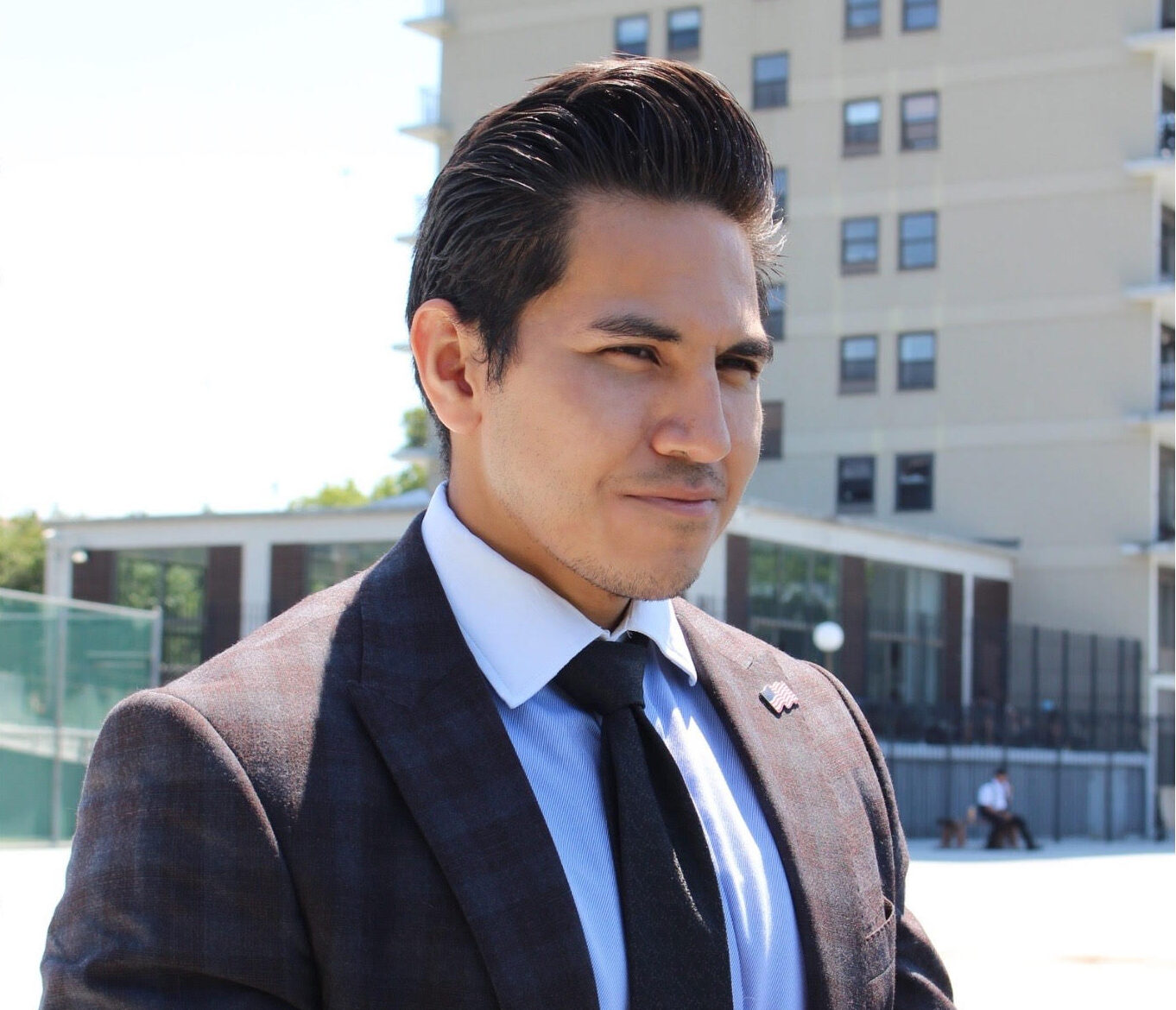
Brandon Castro, 26, says his campaign for New York State Assembly District 30 is focused on budget reform, workforce development, merit-based education, public safety, and building a coalition that reaches beyond traditional party lines.
Born and raised in Queens, Castro is the son of Ecuadorian immigrants and represents a younger generation of candidates seeking public office. He attended PS 11 in Queens before graduating from Queens Technical High School, a vocational high school that helped shape many of his views on workforce training and career education. He later attended Queens College, a CUNY institution, graduating in 2023 with a bachelor’s degree in both history and political science.
His professional background includes work in education, summer camp programs, historical research, museums, and community outreach. Castro worked at a history museum, conducted historical research at a cemetery, and later served as a community liaison with the New York City Department of Small Business Services. He currently works as a menswear specialist.
This is Castro’s second campaign for the Assembly seat. He previously ran for District 30 in 2024 and says the experience taught him valuable lessons about fundraising, voter outreach, messaging, and coalition-building.
“When I ran the first time, I didn’t really know what I was doing, but I knew I wanted to learn,” Castro said.
Castro says his campaign has already raised more than $10,000 and qualified for matching funds eligibility. He notes that his team knocked on approximately 19,000 doors during his previous campaign and earned roughly 40 percent of the vote against an incumbent.
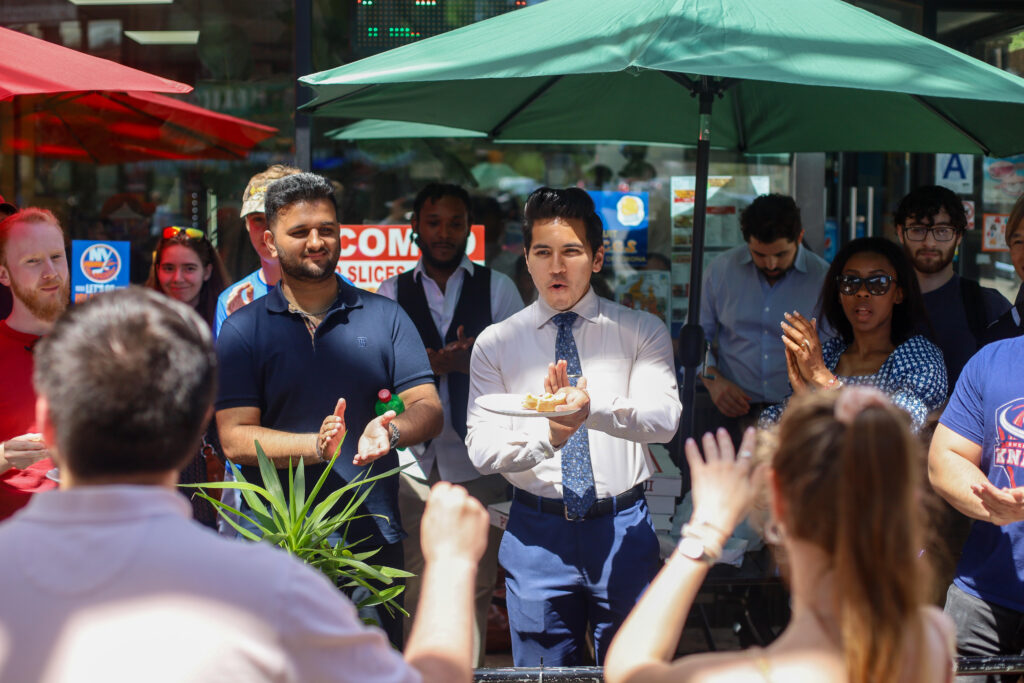
According to Castro, this year’s campaign is built on a stronger grassroots foundation.
“Every day I call people who live here. I knock on doors, go to events, follow up, and continue building relationships,” he said.
District 30 covers portions of western Queens, including neighborhoods such as Woodside, Maspeth, Jackson Heights, East Elmhurst, and surrounding communities.
Castro is running on the Republican and Conservative Party lines. He has also secured two independent ballot lines: Arts and Culture and Reform.
“I am the coalition candidate,” Castro said. “I’m trying to build a bridge through my policy platforms rather than trying to burn them.”
Castro says one of his primary goals is restoring accountability to government spending.
His campaign’s budget reform platform focuses on what he calls taxpayer-funded corruption and government waste. He argues that public dollars should be subjected to stronger oversight regardless of which political party benefits.
“We want to stop taxpayer-funded corruption,” Castro said.
He believes taxpayer dollars should be directed toward proven programs and measurable results rather than political projects, special interests, or programs that fail to demonstrate effectiveness.
Workforce development and job creation form another major pillar of Castro’s campaign.
Through his “Growing Skills and Jobs” initiative, Castro supports expanding vocational education, career development programs, mentorship opportunities, and partnerships with local businesses. He says workforce training should begin earlier and remain accessible to residents of all ages.
His own experience attending a vocational high school helped shape that perspective.
“We want people to have the skills necessary to succeed,” Castro said.
Castro believes arts and culture centers can play a larger role in workforce development by connecting young people and job seekers with successful business owners, professionals, and mentors from within their communities.
Education remains another major focus of his campaign.
Castro supports merit-based education policies, vocational training, trade schools, access to private schools, and preserving the Specialized High School Admissions Test (SHSAT).
He argues that New York spends more per student than almost any other state while still producing inconsistent academic results.
“We spend the most amount per kid out of any other state, and yet we still have students advancing without reading or writing proficiency,” Castro said.
His proposal would direct additional support toward schools and programs that demonstrate measurable success while still taking local community challenges into account.
Public safety is the fourth major component of his platform.
Castro says he supports law enforcement, neighborhood safety initiatives, cleaner streets, and stronger enforcement against illegal dumping, which he says negatively impacts many communities throughout western Queens.
He argues that quality-of-life issues such as sanitation, public disorder, and neighborhood upkeep directly affect residents and small businesses.
Throughout the interview, Castro repeatedly emphasized his belief that many voters feel politically homeless.
He says both major parties have increasingly moved toward ideological extremes while moderate Democrats, independents, Republicans, immigrants, and younger voters often feel overlooked.
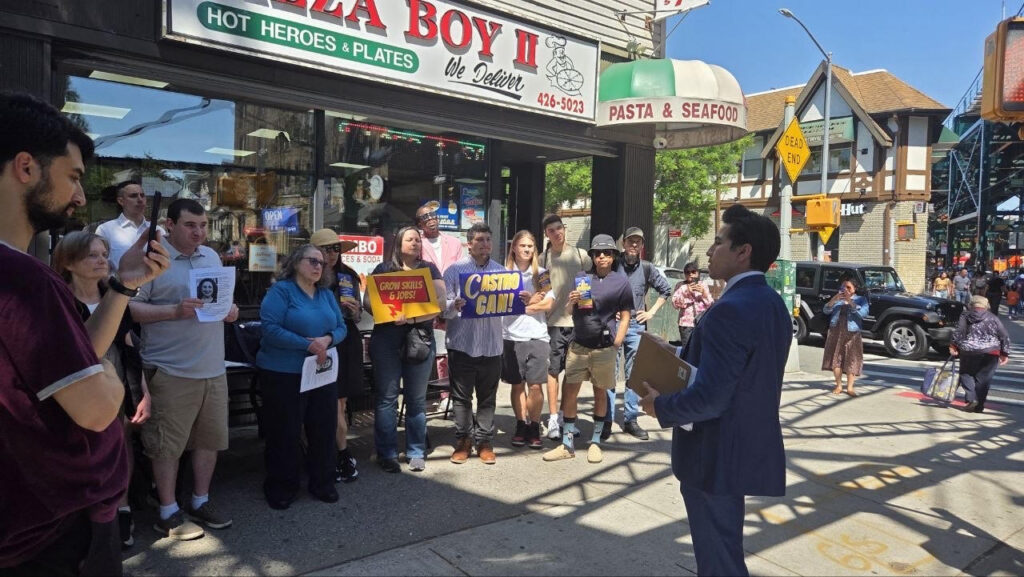
“I’m not bought and paid for,” Castro said. “There is no corporate-backed money coming into this race.”
While running as a Republican, Castro says his campaign is intentionally designed to attract support from a broad coalition of voters who may disagree on some issues but share concerns about affordability, education, government accountability, and quality of life.
He points to endorsements and support from individuals across party lines as evidence that coalition politics remains possible.
According to Castro, the campaign is ultimately about addressing the cost-of-living crisis, investing taxpayer money wisely, and preparing future generations for success.
“With Gen Z having such a hard time now, just imagine the generations after us,” Castro said. “We want to give them a better world.”
Castro says his experiences growing up in Queens, attending public schools, and working with residents through community outreach and public service roles have helped shape his platform.
He believes too many voters feel disconnected from the political process and hopes to build a coalition that brings together residents from different backgrounds around shared concerns such as affordability, education, and quality of life.
“We feel both parties are going to the extreme ends,” Castro said. “The average person walking down the street feels like they don’t have a voice in politics.”

Be First to Comment