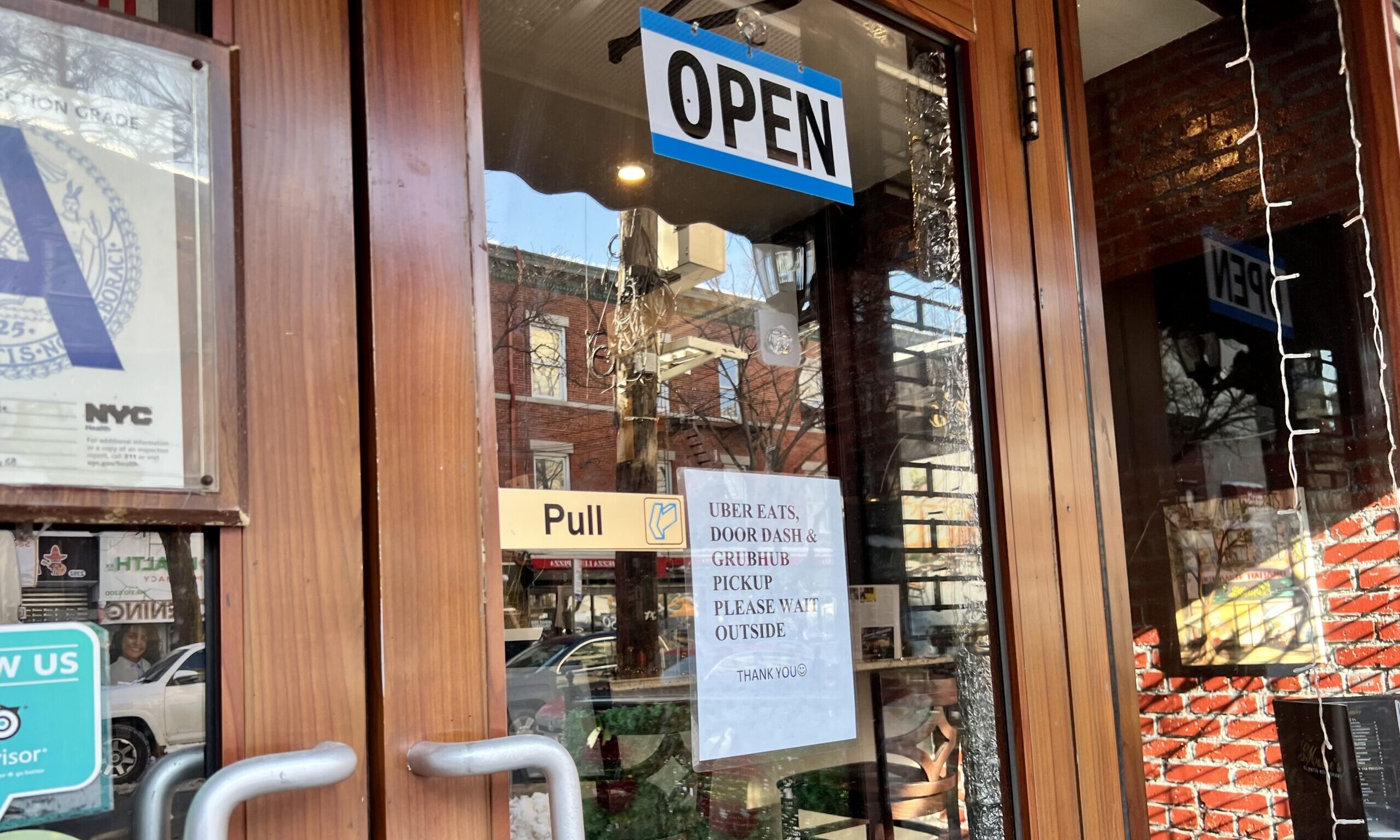
Restaurant grades posted at the front of restaurants are something most New Yorkers see almost every day but probably do not think much about. Have you ever walked into a restaurant, looked at the letter grade near the entrance, and wondered what it actually meant? I have. For years, I assumed the restaurant grades worked like school grades. An A meant excellent, a B meant average, and a C meant there was a serious problem.
Recently, I learned that is not exactly how the system works, and to be honest, I was a little disgusted.
Like many New Yorkers, I assumed that an A grade meant a restaurant had no violations. However, that is not the case. An A grade simply means a restaurant had few enough violation points during its inspection to remain within the A-grade range. In other words, an A does not necessarily mean there were no violations. It just means there were not enough violations to lower the grade to a B or C.
The New York City Department of Health and Mental Hygiene inspects approximately 27,000 restaurants throughout the five boroughs and monitors compliance with food safety regulations. Those inspections result in the letter grade system that diners see posted at restaurant entrances.
The grading system is based on a point scale:
- A Grade: 0–13 points
- B Grade: 14–27 points
- C Grade: 28 points or more
- Grade Pending: The restaurant received 14 points or more on its initial inspection and is awaiting a hearing or final determination after reinspection.
The points are primarily based on sanitary violations that could affect food safety. Examples include food being held at unsafe temperatures, evidence of mice or rats, inadequate food protection, improper food handling practices, and other conditions that may pose a risk to public health.
What surprised me even more is that not every violation affects the letter grade. Some violations are documented in inspection reports but do not count toward the grading score. Sanitary violations that do affect the grade are generally highlighted in red within the inspection reports.
If you want to research a restaurant before dining there, New York City provides the ABCEats database. Through the database, you can search by:
- Inspection letter grade
- Type of food
- Borough
- Address
- Restaurant name
The reports provide detailed information about inspection histories, violations, grades, and other information that many diners never take the time to review.
Residents can also submit complaints through the city’s 311 system. Complaints may be filed if you suspect food poisoning, observe unsafe food handling practices, see evidence of rodents, or notice a missing or potentially fraudulent restaurant grade. When submitting a complaint, be prepared to provide a description of the issue along with the restaurant’s name and address.
As someone who already pays close attention to details, learning how the grading system works has definitely changed how I look at restaurants. Because of my work schedule, I probably will not stop eating out, but I may become much more selective about where I go. I can also see myself checking inspection reports before meeting friends for dinner.
The reality is that restaurant inspections help protect the public and provide transparency. However, many people may not fully understand what the grades actually represent. An A grade is certainly better than a B or C, but it does not necessarily mean a restaurant is violation-free.
Now that you know how the system works, will you look at restaurant grades differently? I know I will.






Great article & info. Well said.