Adolescent resilience, digital friendships, rejection, and the emotional skills needed to navigate them.
A message left on read. A group conversation someone discovers they have been excluded from. Photos of a party they were never invited to. Familiar experiences for many teenagers, but their emotional significance can reach far beyond the screen. Understanding teen resilience means examining how young people interpret these moments and what helps them cope.
The issue is not simply what happens in digital relationships, but what teenagers believe has happened. An unanswered message can feel like indifference; a single exclusion can seem like proof they do not belong. The gap between an event and its perceived meaning can shape the emotional response. For an adolescent still learning how to handle uncertainty in friendships, an ambiguous signal can feel more definitive than it really is.
A 2026 study in Scientific Reports, by Andrea Irmer and Florian Schmiedek, followed 200 adolescents and found that those who reacted more negatively to comparisons with people they saw as better off showed increases in depressive symptoms over two weeks. The same association did not appear for emotional reactions to social media use alone. The findings concern changes in reported depressive symptoms over a short period, rather than diagnoses of depression. This does not show that comparison causes depression, but suggests that individual reactions matter.
The distinctions are important. Self-esteem concerns how people value themselves; managing emotions means recognizing and handling difficult feelings; resilience involves adapting to adversity. None means being free of mental health problems.
Scientific evidence offers no simple verdict. A 2025 study in JAMA Network Open associated increases in social media use with subsequent increases in depressive symptoms among adolescents. A 2026 study in Pediatrics found that, during particular years, problematic social media use preceded increases in depressive symptoms, and depressive symptoms also preceded greater problematic use. It found no comparable pattern for anxiety.
Neither study establishes cause and effect for every teenager. A British study of more than 25,000 adolescents found no evidence that time spent on social media or gaming frequency predicted later increases in symptoms such as anxiety and depression. Time online, problematic use, and the quality of relationships are not interchangeable. Nor can studies that track adolescents over time eliminate every competing explanation for the associations they observe.
Friendships can create less visible pressures. Constant communication may foster expectations of constant availability. A 2025 study by Angelini and Gini linked perceived friendship-group rules and platform features with digital stress and conflict. Seeing a friend online without receiving a reply can add uncertainty to disappointment. The expectation of immediate replies can also make ordinary delays seem like personal rejection, even when no rejection was intended.
But these difficulties do not mean that social media inevitably weakens relationships. The same platforms can sustain friendships and offer support.
In a 2025 Pew Research Center survey, 74% of American teens said social media made them feel more connected to what was happening in their friends’ lives, while 31% said these platforms made them feel excluded by friends. These are reported experiences, not clinical findings. Connection and vulnerability can coexist.
A 2026 study by Hampton and Hales, following 653 adolescents over three years, associated greater social media use with later higher self-esteem among girls, but found no significant relationship among boys. Its limited sample and the pandemic period warrant caution. Still, it challenges assumptions of inevitable harm.
What can parents, teachers, educators, and community volunteers do? Begin by listening without dismissing the teenager’s feelings. Saying that exclusion does not matter because it happened online can devalue a real friendship. Instead, separate facts from interpretations: a message was read, but the reason for the silence remains unknown.
Adults can help teenagers identify what they feel, consider other explanations, and decide whether to ask a friend directly. This is not about denying hurt or insisting everything is fine. A calm conversation can give a teenager room to express anger or embarrassment without being pushed into an impulsive response. It is also important to notice whether an incident is isolated or accompanied by persistent changes in sleep, mood, friendships, or school attendance.
Adults can encourage meaningful friendships and activities, agree on reasonable expectations for responding to messages, and gradually allow more independence. Building teen resilience also means giving young people room to make manageable decisions. Indiscriminate monitoring of private conversations, humiliation, or automatic phone confiscation may undermine trust. For younger teenagers, however, age-appropriate boundaries and supervision remain important. Decisions should reflect age, maturity, and the seriousness of the situation. Parents and educators can also discuss what respectful communication looks like: friends may care about each other without being available every minute, and disagreements need not end a relationship. When harassment, threats, or repeated targeted exclusion occur, adults should step in, document incidents, and involve schools or other appropriate professionals.
A meta-analysis of 424 studies found benefits, on average, from structured school programs that teach social and emotional skills. That does not establish the effectiveness of every parenting suggestion, but supports well-designed educational efforts. If distress or behavioral changes persist and disrupt daily life, seek professional advice. Signs of suicide risk require immediate help from emergency services or a qualified crisis professional.
Coping with rejection does not mean becoming insensitive or believing that every painful experience leads to growth. It means recognizing feelings, testing assumptions, asking for help, and maintaining relationships where disagreement is possible.
Teen resilience does not come from a life without difficulties, or from expecting young people to face them alone. It can develop through dependable relationships, opportunities for independence, and practical emotional skills. As more friendships unfold partly on screens, adults share responsibility for helping teenagers navigate them.
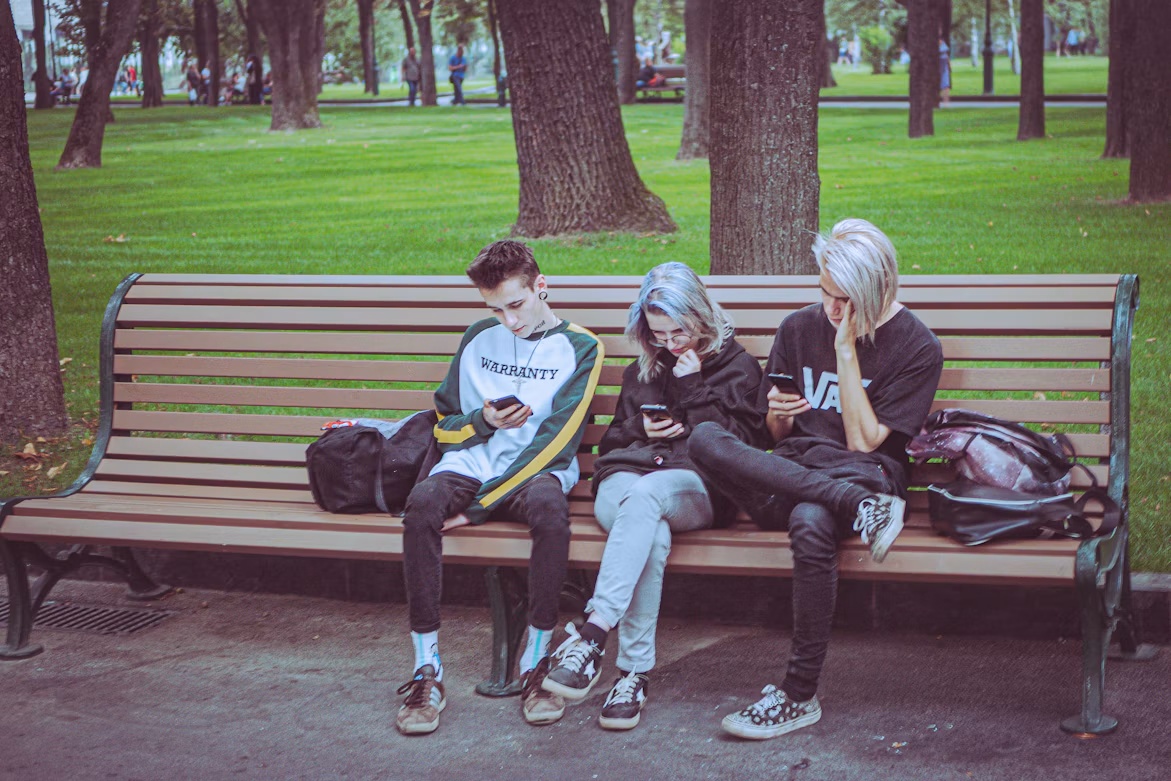
Photo: Digital friendships can bring connection and emotional challenges into teenagers’ everyday lives. Evgeniy Beloshytskiy / Unsplash.


Be First to Comment